Poxy: Redefining Playful Typography for Modern Brands
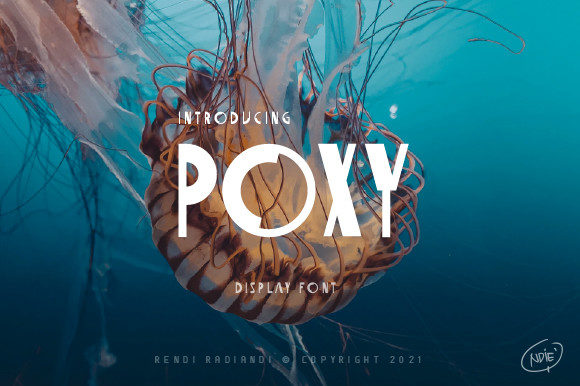
In a digital landscape saturated with clean, minimalist sans-serifs and rigid geometric typefaces, there is a growing appetite for personality. We are moving away from the sterile neutrality of early web design toward aesthetics that evoke emotion, nostalgia, and human connection. Enter Poxy, a beautifully designed display font that embodies charm and playfulness in every letter. It is not merely a collection of characters; it is a statement piece that brings warmth and distinctiveness to visual communication.
For creators, marketers, and business owners, typography has always been more than just readability—it is tone. Poxy captures this essence perfectly. Whether you are designing magazine titles, crafting brand identities, or creating advertisements, this font offers a unique touch that stands out without shouting. It bridges the gap between whimsy and professionalism, making it an ideal choice for projects that need to feel approachable yet polished.
The Evolution of Display Fonts in Digital Design
To understand why Poxy is relevant today, we must look at how display fonts have evolved. In the past, decorative fonts were often reserved for print media like flyers, posters, and packaging. They were seen as too heavy or stylistically complex for screen-based interfaces where legibility was paramount. However, the rise of high-resolution displays and variable font technology has changed the rules. Screens can now render intricate details with clarity, allowing designers to experiment with bolder, more expressive typefaces.
Furthermore, user expectations have shifted. Audiences, particularly younger demographics, scroll through content rapidly. To capture attention in those few critical seconds, brands need visual anchors that break the monotony of standard text. This is where display fonts come into play. They act as visual hooks, drawing the eye and setting the mood before a single word is read. Poxy fits squarely into this trend by offering a playful aesthetic that feels fresh rather than dated. Unlike retro fonts that rely on clichéd styles, Poxy’s charm lies in its subtle irregularities and hand-crafted feel, which resonate with modern consumers seeking authenticity.
The market preference is also leaning towards "human-centric" design. People want to feel connected to the brands they engage with. A rigid, corporate font can create distance, while a font like Poxy invites interaction. It suggests that the brand behind the message has a sense of humor, creativity, and care. This shift is evident in the growing number of startups and lifestyle brands adopting quirky, character-driven typography in their logos and headers.
Why Poxy Stands Out in a Crowded Market
There are countless playful fonts available, so what makes Poxy special? The answer lies in its balance. Many display fonts tip too far into caricature, becoming difficult to read or visually exhausting. Others lack the structural integrity needed for professional use. Poxy navigates this fine line with precision. Every letter is designed with intention, ensuring that while it is fun, it remains functional.
The font’s versatility is one of its strongest assets. It works exceptionally well for:
- Magazine Titles: The bold, engaging shapes of Poxy grab attention on covers and headlines, encouraging readers to dive into the content.
- Branding: For businesses in creative industries, such as bakeries, boutiques, or educational platforms, Poxy conveys a friendly and inviting brand voice.
- Advertisements: In social media ads or digital banners, Poxy helps messages stand out in crowded feeds, increasing click-through rates through visual appeal.
- Quotes: When highlighting testimonials or inspirational quotes, Poxy adds a layer of emphasis and style that plain text cannot achieve.
This range of applications demonstrates why Poxy is more than a niche tool; it is a versatile asset for any designer looking to inject life into their work. Its ability to adapt to different contexts without losing its core identity is a testament to its thoughtful design.
Practical Applications for Creators and Professionals
For freelancers and agency professionals, having access to distinctive fonts like Poxy can be a competitive advantage. Clients are increasingly asking for designs that reflect their unique brand personality. Standard templates no longer cut it. By incorporating Poxy into their toolkit, designers can offer bespoke solutions that align with client goals while maintaining high aesthetic standards.
Consider a small business owner launching a new product line. If they are selling handmade crafts or organic goods, a sleek, tech-focused font might send the wrong message. Instead, using Poxy for their packaging labels or website headers immediately communicates quality, care, and a personal touch. It tells the customer, "This was made with love," before they even see the product.
Educators and content creators can also benefit significantly. In an era where online courses and educational blogs compete for attention, typography plays a crucial role in engagement. Using Poxy for section headers or key takeaways can make learning materials feel less intimidating and more engaging. It breaks up dense text and guides the reader’s eye naturally through the content, improving comprehension and retention.
Moreover, bloggers and influencers who prioritize visual storytelling can use Poxy to enhance their aesthetic consistency. By pairing it with complementary fonts and colors, they can create a cohesive look across their blog, social media profiles, and newsletters. This consistency builds brand recognition and trust over time.
Integrating Poxy into Modern Workflows
Implementing Poxy into your design workflow requires a strategic approach. While it is powerful as a display font, it should be used sparingly to maintain impact. Overusing playful fonts can lead to visual clutter and reduce readability. Here are some best practices for integrating Poxy effectively:
- Pairing is Key: Combine Poxy with simple, neutral body fonts. A clean sans-serif or a classic serif provides a stable foundation that allows Poxy to shine as the focal point.
- Use for Hierarchy: Reserve Poxy for headlines, titles, and short phrases. Avoid using it for long paragraphs of text, as this can strain the reader’s eyes.
- Context Matters: Ensure the playful nature of Poxy aligns with your brand message. It may not be suitable for formal legal documents or serious financial reports, but it is perfect for lifestyle, entertainment, and creative sectors.
- Test Across Devices: Always preview your designs on various screen sizes. Ensure that the charm and details of Poxy remain visible and legible on mobile devices, where most users will encounter your content.
By following these guidelines, you can leverage Poxy to enhance your designs without compromising usability. This balanced approach ensures that your typography serves both aesthetic and functional purposes.
The Future of Playful Typography
As we look ahead, the demand for expressive typography is likely to grow. With the rise of AI-generated content, there is a risk of homogenization in digital design. Unique, hand-crafted fonts like Poxy offer a counterpoint to this trend, providing a human element that algorithms cannot replicate. They remind us that design is still an art form rooted in human expression.
Additionally, the integration of dynamic and interactive typography in web design opens new possibilities for fonts like Poxy. Imagine headlines that respond to user interaction, changing shape or color as the mouse moves over them. Poxy’s playful nature makes it an excellent candidate for such experiments, adding an extra layer of engagement to digital experiences.
For professionals and hobbyists alike, staying informed about these trends is essential. Keeping Poxy in your design arsenal ensures that you are prepared to meet the evolving needs of clients and audiences who crave authenticity and charm. It is a small detail that can make a big difference, turning ordinary designs into memorable experiences.
Conclusion
Poxy is more than just a font; it is a tool for storytelling. It embodies charm and playfulness, offering a refreshing alternative to the dominant minimalist trends. Whether you are a seasoned designer or a business owner looking to elevate your brand, Poxy provides the unique touch needed to connect with your audience on a deeper level. By understanding its strengths and applying it thoughtfully, you can create visuals that not only look good but also feel right. In a world full of noise, let Poxy help your message stand out with clarity, character, and heart.