Jelly Beans Font: A Playful Addition to Your Design Toolkit
When it comes to choosing the right font for your project, the visual impact is just as important as the message itself. Jelly Beans stands out as a display font that brings a unique blend of cuteness, casualness, and trendiness to any design. This typeface is ideal for those who want to inject a sense of joy and whimsy into their work without sacrificing style or readability in the right context.
The Charm of Jelly Beans
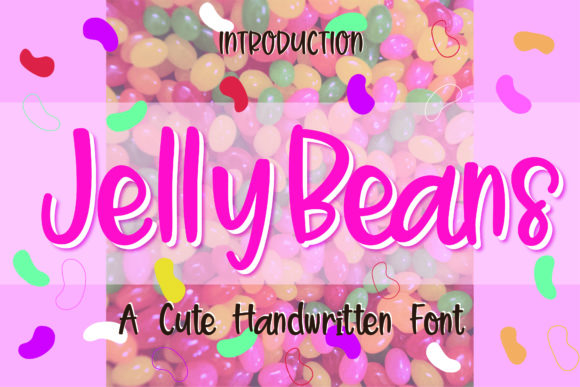
Jelly Beans is not your typical sans-serif or serif font. It belongs to the category of display fonts, which means it's designed to be used in headlines, titles, logos, and other prominent text elements rather than body copy. The playful nature of this font makes it especially appealing for creative projects where personality and flair are key.
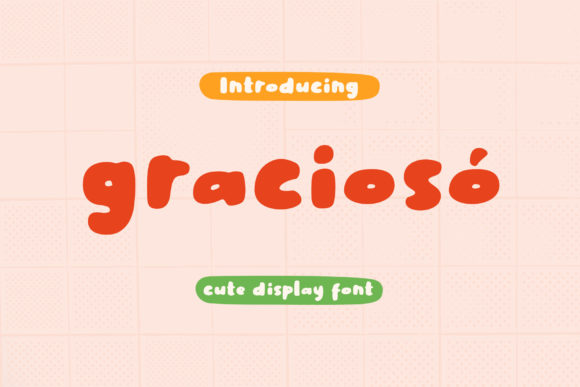
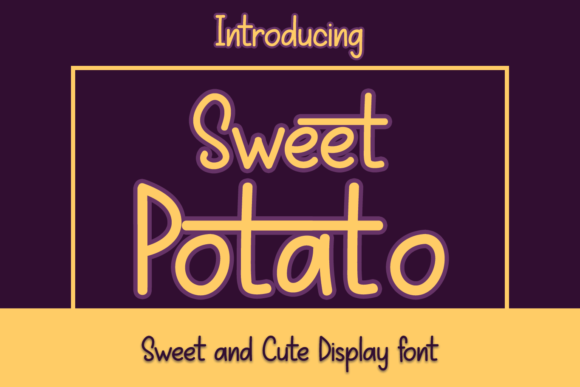
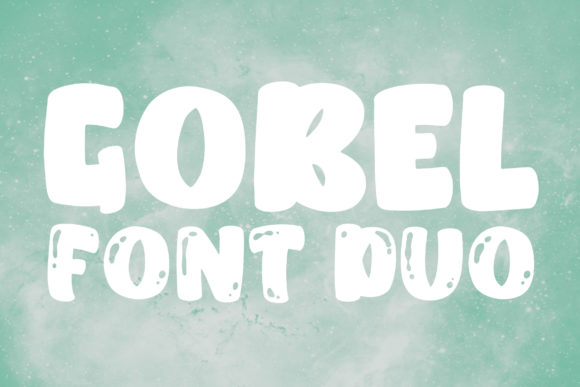
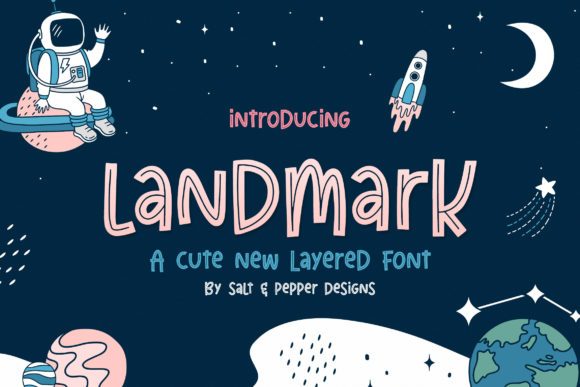
What makes Jelly Beans truly special is its ability to evoke emotion. The soft curves and exaggerated characters give off a vibe of lighthearted fun—perfect for designs targeting younger audiences or themes centered around joy and positivity. Whether you're working on a birthday card, an animated poster, or a children’s book cover, this font can add a touch of charm that catches the eye.
Where Jelly Beans Shines Brightest
This font is incredibly versatile when it comes to application. Here are some scenarios where it really excels:
- Cartoon-related designs: From animated banners to comic book titles, Jelly Beans mimics the look of hand-drawn lettering commonly found in cartoons.
- Children’s games and toys: Its friendly and approachable appearance makes it perfect for branding educational or entertainment products aimed at kids.
- Quotes and motivational posters: When paired with colorful illustrations or bold imagery, Jelly Beans can help highlight uplifting messages in a visually engaging way.
- Brand names and logos: If your brand identity is all about being fun and modern, this font could be a great fit to communicate that vibe instantly.
- Book covers and editorial design: Especially for picture books, storybooks, or even zines with a quirky theme, Jelly Beans adds a distinctive character that sets the tone from the start.
Creating Visual Harmony with Jelly Beans
One thing to keep in mind when using Jelly Beans is how it interacts with other design elements. Because of its bold and expressive style, it works best when balanced with simpler, more structured fonts for supporting text. For example, if you're designing a website header with Jelly Beans, consider using a clean sans-serif like Helvetica or Roboto for the body content so the reader isn't overwhelmed by too much playfulness.
Color also plays a big role in how effective Jelly Beans appears. Since the font has a cartoonish feel, using bright, contrasting colors can enhance its appeal. Think pastel shades for a softer look or neon tones for something edgier and more attention-grabbing. Just remember that legibility should always be a priority, even in a playful font.
Why Designers Love Jelly Beans
Designers often seek fonts that can bring a fresh perspective to their work. Jelly Beans delivers that by offering a mix of creativity and usability. It allows them to break away from traditional typography while still maintaining a professional edge. The font doesn’t just look good; it helps convey a specific mood and intention that aligns with modern design trends focused on emotional resonance and user experience.
Another reason for its popularity is its accessibility. Jelly Beans is easy to read at larger sizes, which is crucial for display purposes. Each character is distinct and well-proportioned, ensuring that words don’t get lost in the overall design. This makes it suitable for both digital and print media, from social media graphics to printed merchandise like t-shirts and mugs.
Practical Uses in Modern Projects
In today’s fast-paced digital world, first impressions matter. Jelly Beans is a go-to choice for designers who want to make their content pop. Here are a few industries and use cases where it has proven to be effective:
- Marketing and Advertising: Use Jelly Beans in promotional materials for events, campaigns, or product launches that aim to capture attention with a youthful and energetic tone.
- Apparel and Merchandise: Add a fun twist to clothing lines, accessories, or branded items targeted at kids or trendy adults.
- Event Branding: Whether it’s a birthday party invitation or a festival banner, Jelly Beans can create a cheerful atmosphere that draws people in.
- UI/UX Design: In mobile app interfaces or web headers, this font can make buttons, headings, and interactive elements more inviting and engaging.
- Educational Tools: For apps or websites focused on learning for children, Jelly Beans can make the interface more enjoyable and less intimidating.
Choosing the Right Format and Style
Before downloading or purchasing Jelly Beans, it's essential to consider the format and style that best suits your needs. Most font providers offer different versions, such as regular, bold, italic, or even decorative variants. These variations allow for greater flexibility in how you apply the font across multiple design layers.
Also, ensure that the font license permits commercial use if you plan to incorporate it into client projects or sell products featuring the design. Some free fonts have restrictions, so it's always wise to double-check the licensing terms before moving forward.
Pairing Jelly Beans with Other Fonts
While Jelly Beans is a standout on its own, combining it with complementary fonts can elevate your design. Try pairing it with:
- A minimalist sans-serif for contrast and clarity in body text.
- A script font for added elegance in taglines or captions.
- A bold slab serif for creating a strong focal point in posters or flyers.
These combinations can help maintain balance while allowing Jelly Beans to shine where needed most.
Technical Considerations and Best Practices
When integrating Jelly Beans into your workflow, there are a few technical tips to keep in mind:
- Use high-resolution images: If you’re embedding the font in images for web or print, make sure the resolution is high enough to avoid pixelation.
- Test on different screens: Display fonts can render differently depending on the device. Always preview Jelly Beans on various platforms before finalizing a design.
- Limit usage: While it’s tempting to use it everywhere, overusing a display font like Jelly Beans can reduce its effectiveness and lead to visual fatigue.
- Ensure color compatibility: As mentioned earlier, choose background and text colors that provide sufficient contrast for optimal readability.
How to Access Jelly Beans
Jelly Beans is available through several online font marketplaces and design communities. You can find it on sites like Adobe Fonts, Google Fonts, or independent platforms like Creative Market and Envato Elements. Always verify the authenticity and licensing details before downloading to avoid potential issues down the line.
Real-World Examples of Jelly Beans in Action
To understand how powerful Jelly Beans can be, let’s look at a few real-world applications:
- A popular YouTube channel uses Jelly Beans for their video thumbnails and title cards, giving their content a bubbly, kid-friendly aesthetic.
- An indie game developer incorporated this font into the main menu of a puzzle game, helping to establish a light-hearted and inviting tone.
- A boutique coffee shop rebranded with Jelly Beans in their logo and packaging, creating a memorable and joyful brand identity.
These examples show how the font adapts to different mediums and purposes while consistently delivering a sense of warmth and approachability.
Common Mistakes to Avoid
Despite its versatility, there are some pitfalls to watch out for when using Jelly Beans:
- Using it in small sizes: Jelly Beans loses its charm and may become hard to read when used for tiny text.
- Ignoring spacing and alignment: The font’s playful characteristics require careful layout planning to prevent clutter or misalignment.
- Not considering cultural relevance: While generally positive, overly cute fonts might not resonate in all contexts or target demographics.
By avoiding these common mistakes, you can ensure that Jelly Beans enhances your design rather than detracts from it.
Jelly Beans and the Future of Trendy Typography
As design trends continue to evolve, the demand for fonts that express personality and emotion is growing. Jelly Beans fits perfectly into this space, offering a style that feels both nostalgic and contemporary. Its retro cartoon influence gives it a timeless quality, while its modern structure keeps it relevant for today’s audiences.
Moreover, with the rise of digital illustration tools and graphic design software, having a font like Jelly Beans becomes even more valuable. It complements vector-based art, hand-drawn textures, and animated visuals seamlessly, making it a favorite among creatives who value cohesion in their projects.
Final Thoughts on Using Jelly Beans
Jelly Beans is more than just a cute font—it’s a tool that can transform how your audience perceives your message. By choosing the right context, pairing it with appropriate supporting elements, and respecting its intended use, you can leverage this font to create impactful and memorable designs. Whether you're aiming for a whimsical look or simply want to stand out from the crowd, Jelly Beans offers a unique voice that speaks volumes without saying a word.
So next time you're brainstorming for a new project and need a font that brings smiles and sparks joy, consider adding Jelly Beans to your toolkit. With the right approach, it can turn your ideas into something truly delightful.