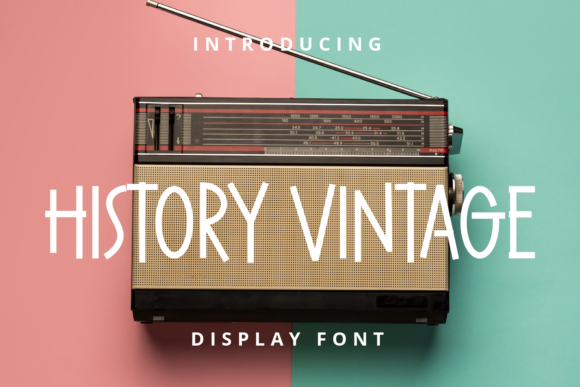
History Vintage: A Cool and Casual Display Font
Typography is often the silent narrator of a design. It sets the tone before a single word is read, establishing mood, era, and personality. Among the vast library of typefaces available to designers today, History Vintage stands out as a distinct choice for those seeking a cool and casual display font. Its natural and unique style makes it incredibly fitting to a large pool of designs, offering a blend of retro charm and modern accessibility. The only limit is your imagination, but understanding how this specific typeface functions can help you decide if it is the right tool for your next project.
This article explores what makes History Vintage a versatile asset for various creative professionals and hobbyists. We will look at its aesthetic qualities, practical applications, and why different audiences—from freelance graphic designers to small business owners—might find value in incorporating it into their visual communication strategies.
Understanding the Aesthetic: What is History Vintage?
At its core, History Vintage is a display font. This means it is designed to be used in headlines, logos, posters, and other large-format text rather than body copy. Unlike serif or sans-serif fonts optimized for readability in long paragraphs, display fonts prioritize character and impact. History Vintage achieves this through a natural feel that avoids the stiffness of overly polished digital lettering.
The font’s "cool and casual" descriptor is not just marketing fluff; it reflects a design philosophy that embraces imperfection. In an era where digital design can sometimes feel sterile or hyper-clean, History Vintage introduces a sense of humanity. It mimics the look of hand-drawn sketches or aged signage without appearing messy. This balance allows it to bridge the gap between vintage nostalgia and contemporary minimalism. For designers, this versatility is crucial. It does not lock you into a single theme but rather offers a texture that can enhance multiple styles.
Why Different Audiences Care About Typography
Not everyone looks at a font the same way. A professional marketer might see brand consistency, while a hobbyist might see fun. Here is how different groups evaluate a typeface like History Vintage:
- Visual Impact: For creatives, the immediate reaction of the viewer is paramount. Does the font grab attention? History Vintage does this by standing out from the sea of standard Helvetica or Arial.
- Ease of Use: For beginners or non-designers using platforms like Canva or Adobe Express, availability and simplicity matter. If a font is easy to install and pairs well with simple layouts, it lowers the barrier to entry.
- Brand Alignment: For entrepreneurs, every element must support the brand story. A coffee shop might use History Vintage to evoke warmth and tradition, while a tech startup might avoid it unless they are aiming for a very specific, quirky sub-brand.
Practical Applications for Creators and Professionals
For graphic designers and illustrators, History Vintage serves as a powerful accent. Because it is a display font, it shines when used sparingly. Consider a concert poster for a jazz or blues event. The font’s casual nature suggests live music, improvisation, and relaxation. Similarly, in branding, it works exceptionally well for businesses that want to appear approachable yet established.
Here are a few specific ways professionals might utilize this typeface:
- Logo Design: Using History Vintage for the primary name of a boutique, cafe, or artisanal product line can instantly communicate quality and craftsmanship. The unique style adds memorability.
- Social Media Graphics: In a feed dominated by clean, minimalist aesthetics, a post featuring History Vintage can break the pattern. It is ideal for quotes, announcements, or promotional banners where you need to stop the scroll.
- Packaging Design: For products like organic food, handmade crafts, or specialty beverages, the font’s natural vibe aligns with values of authenticity and sustainability.
Experienced users know that pairing is key. History Vintage pairs beautifully with simple, neutral sans-serif fonts for secondary information. The contrast between the bold, character-rich display font and the clean body text creates a hierarchy that guides the eye effectively.
Value for Educators and Hobbyists
Education and hobbies often require materials that are engaging and easy to produce. For educators creating classroom posters, worksheets, or certificates, History Vintage can add a touch of personality without overwhelming the content. It helps make learning materials feel less rigid and more inviting for students.
Hobbyists, such as scrapbookers or DIY crafters, also benefit from the font’s versatility. Whether you are designing a birthday card, a wedding invitation, or a personal journal cover, the "cool and casual" vibe fits many occasions. It allows individuals with limited design training to create professional-looking results because the font itself carries much of the stylistic weight. You do not need complex layouts to make it look good; the typography does the heavy lifting.
Evaluating Quality and Long-Term Usefulness
When choosing a font, it is important to consider long-term usefulness. Trends come and go, but classic styles endure. History Vintage leans into a timeless aesthetic. While it has a vintage feel, it does not look dated. This ensures that designs created with it today will still look relevant in a few years, saving you the cost of redesigning assets later.
Quality is another critical factor. A good display font should have consistent stroke weights, clear legibility at various sizes, and a complete character set. History Vintage is crafted to maintain its integrity whether scaled up for a billboard or scaled down for a business card. This reliability is essential for professionals who cannot afford errors in their final output.
Cost vs. Value
For freelancers and small business owners, budget constraints are real. Investing in high-quality typography is an investment in brand perception. While free fonts are abundant, they often lack the refinement and licensing clarity of premium options. History Vintage, depending on its licensing model, offers a cost-effective solution for achieving a high-end look. The value lies in its ability to elevate simple designs, reducing the need for expensive graphic elements or complex illustrations.
Identifying Your Fit
So, does History Vintage match your goals? Ask yourself these questions:
- Do you need a font that conveys approachability? If your brand wants to feel friendly and unpretentious, this font is a strong candidate.
- Are you working on a display-heavy project? If your project involves lots of headlines, titles, and short text blocks, History Vintage will perform well. If you need to write long articles, look elsewhere.
- Do you value uniqueness? If you want to avoid generic templates and create a distinctive visual identity, the natural style of History Vintage offers that differentiation.
Ultimately, the decision comes down to the story you want to tell. History Vintage is not just a collection of letters; it is a stylistic choice that brings a cool, casual, and natural energy to your work. By understanding its strengths and appropriate use cases, you can harness its potential to create designs that resonate with your audience. Whether you are a seasoned pro or just starting out, this font provides a reliable and stylish tool in your creative toolkit. Let your imagination guide you, and let the typography speak for your vision.